
Optimal Timing for Demolition Services
Determining the optimal timing for demolition services depends on various factors including weather conditions, project scope, and local regulations. Typically, dry and mild weather periods are preferred to ensure safety and efficiency. Planning during seasons with minimal rainfall reduces delays and complications.
Dry seasons provide ideal conditions for demolition projects, minimizing delays caused by rain or storms.
Aligning demolition with construction timelines ensures smooth transitions and reduces downtime.
Compliance with local permits and regulations can influence the timing of demolition activities.
Scheduling during periods with less environmental impact helps in managing dust and debris control.

Preparing the site efficiently during optimal weather ensures safety and reduces delays.
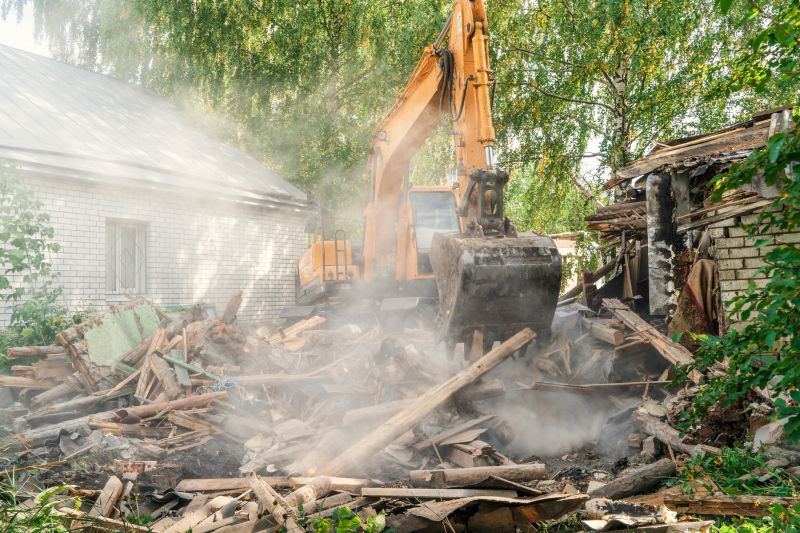
Demolition machinery operates best under clear weather conditions for safety and precision.

Timely debris removal is crucial for maintaining site safety and progressing the project.

Ways to make Demolition Service work in tight or awkward layouts.
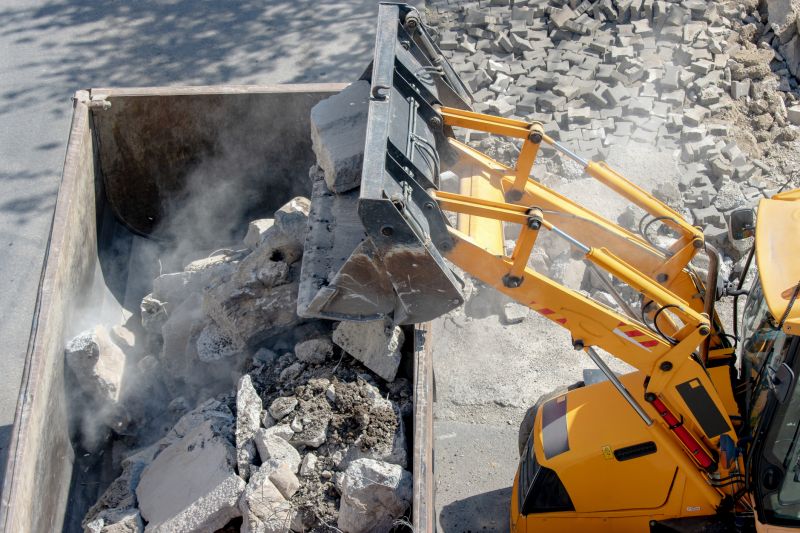
Popular materials for Demolition Service and why they hold up over time.

Simple add-ons that improve Demolition Service without blowing the budget.
Demolition services involve the careful dismantling and removal of structures to prepare sites for new development or renovation. This process requires meticulous planning to ensure safety, environmental compliance, and efficiency. Modern demolition techniques include selective dismantling, mechanical demolition, and implosion, each suited to different project needs.
Statistics show that scheduling demolition projects during favorable weather can reduce project duration by up to 20%. Proper timing also minimizes safety risks and environmental impact, leading to smoother project execution. Effective planning considers local climate patterns, project complexity, and community concerns to determine the best window for demolition activities.

Heavy machinery used in demolition is most effective in stable weather conditions.

Efficient site clearing depends on optimal timing to ensure safety and compliance.
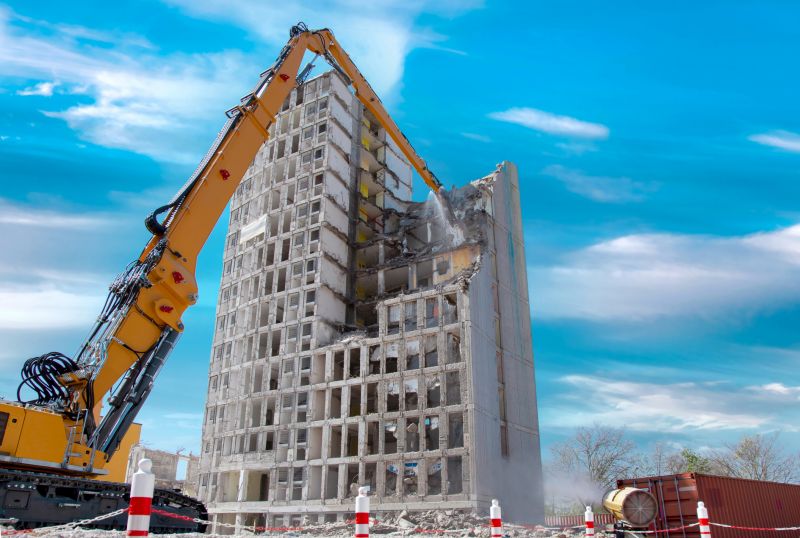
Precise dismantling requires well-planned scheduling aligned with project phases.

Timely debris management is essential for maintaining site safety and readiness for subsequent construction.
| Factor | Optimal Timing Consideration |
|---|---|
| Weather | Dry and mild conditions preferred |
| Project Scope | Larger projects may require extended planning |
| Local Regulations | Permits and approvals may influence timing |
| Community Impact | Schedule to minimize disruption |
| Environmental Factors | Consider dust and debris control |
| Construction Schedule | Coordinate with subsequent phases |
| Seasonal Trends | Avoid peak storm or rain seasons |
Interested in scheduling a demolition service? Filling out the contact form can provide more information and help plan the project at the most suitable time. Proper timing ensures safety, efficiency, and compliance, making the demolition process smoother and more effective.